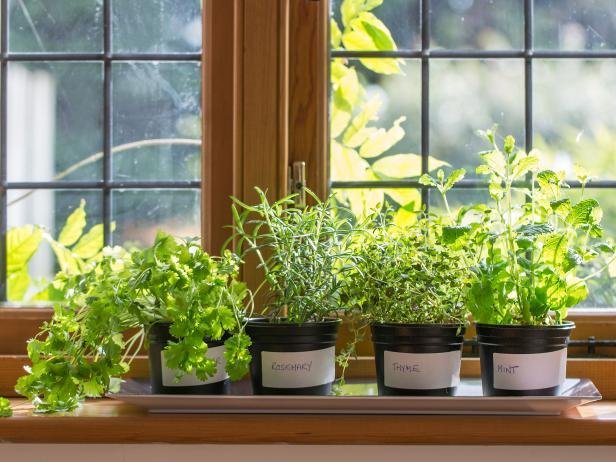
Growing fresh herbs at home is easier than you think. Even if you don’t have a backyard, you can create a small indoor herb garden in your kitchen, living room, or balcony. Indoor herbs not only provide fresh ingredients for cooking but also improve indoor air quality and add a touch of greenery to your home. With minimal effort, anyone can grow basil, mint, parsley, cilantro, rosemary, and more all year round.
Best Herbs to Grow Indoors
Some herbs thrive indoors and require minimal care. Basil is fast-growing and perfect for beginners. Mint is hardy and grows easily in containers. Parsley adds fresh flavor to meals and grows well in deep pots. Cilantro grows quickly but prefers cooler indoor temperatures. Rosemary needs bright light and less water, making it ideal for sunny windowsills.
Choosing the right herbs depends on your cooking habits and available space. For small spaces, compact varieties like dwarf basil or small-leaf parsley are recommended.
Choosing Pots and Soil
Select pots with proper drainage to avoid root rot. Clay or ceramic pots are good choices for herbs that need drier soil, while plastic pots retain moisture for herbs like mint and parsley. Use high-quality potting soil enriched with organic compost to give your herbs a strong start. Avoid garden soil, as it is often too heavy for indoor containers.
Regularly adding organic fertilizer every 4–6 weeks helps maintain healthy growth and vibrant leaves. A good mix of potting soil and compost ensures proper drainage, aeration, and nutrient supply.
Lighting for Indoor Herbs
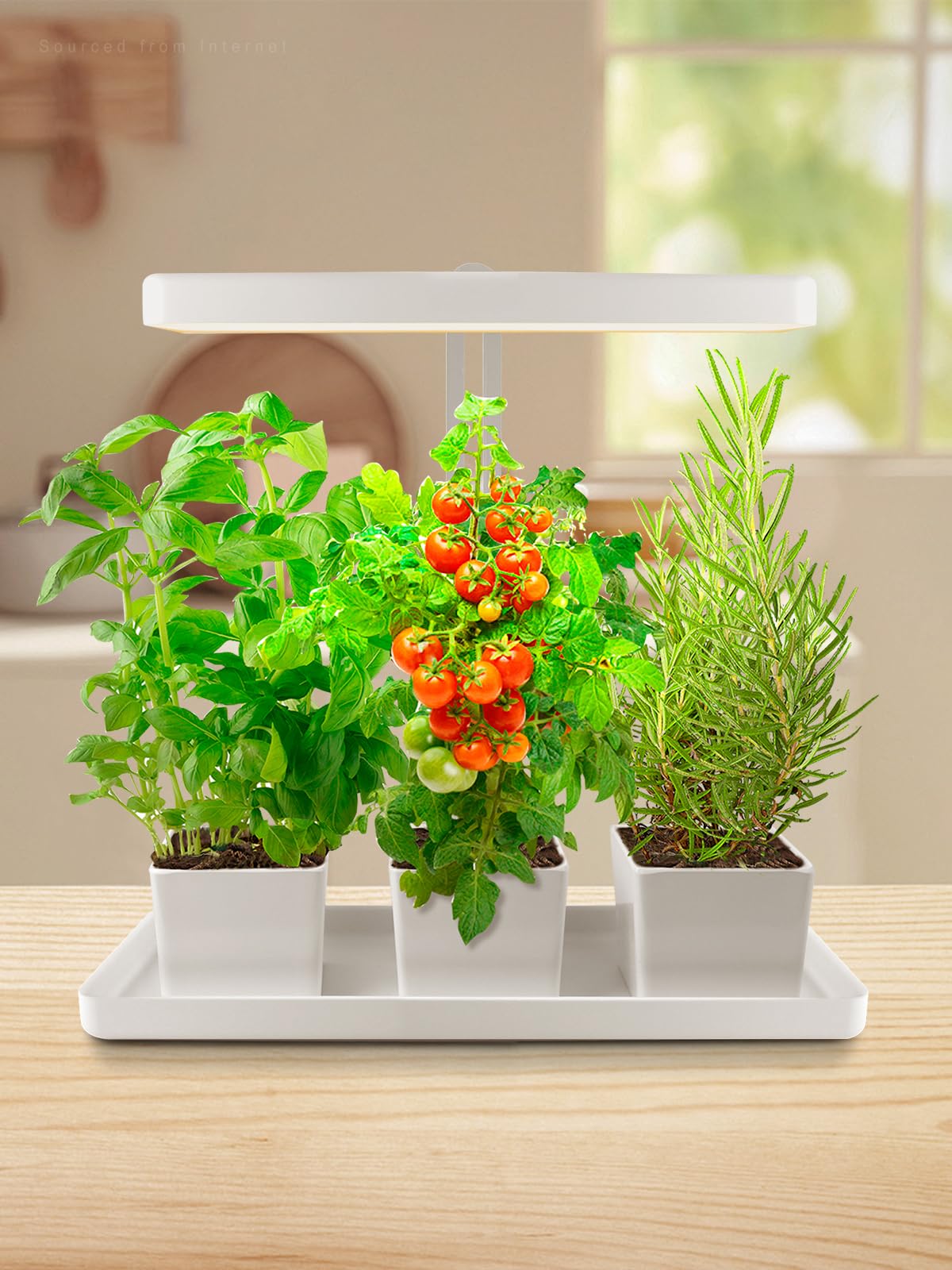
Herbs need 4–6 hours of light per day. South-facing windows provide the best natural light. If sunlight is limited, full-spectrum LED grow lights are highly effective. Position lights about 12–18 inches above the plants and keep them on for 12–14 hours daily to mimic natural sunlight.
Rotating pots weekly ensures all sides of the plant receive equal light, promoting even growth.
Watering and Care
Water your herbs when the top inch of soil is dry. Overwatering is the most common mistake for beginners and can cause root rot. Avoid letting pots sit in standing water. Use a small watering can or spray bottle for controlled watering. Morning watering is ideal, as it reduces moisture stress and helps plants thrive.
Regular pruning encourages fuller growth. Harvest leaves frequently to prevent herbs from flowering too early, which can reduce flavor.
Common Problems and Solutions
Yellow leaves usually indicate overwatering or poor drainage. Slow growth can result from inadequate light. Pests like aphids or spider mites are rare indoors but can be treated with mild soapy water. Ensure adequate airflow to prevent fungal infections.
Proper care and observation will help you quickly identify and fix common indoor herb problems.
Advanced Tips for Healthy Herbs
- Rotate pots weekly for even light exposure.
- Use humidity trays in dry indoor climates.
- Pair compatible herbs together for better growth.
- Harvest strategically to encourage new leaves and branches.
Indoor herbs thrive with consistent care, good soil, proper lighting, and regular harvesting.

Conclusion
Indoor herb gardening is both practical and rewarding. With simple care, fresh flavor, and continuous growth, herbs make a perfect addition to your home. This type of gardening is ideal for beginners and urban dwellers, and the content is evergreen, making it perfect for blogs targeting plant enthusiasts, home improvement, and healthy living.