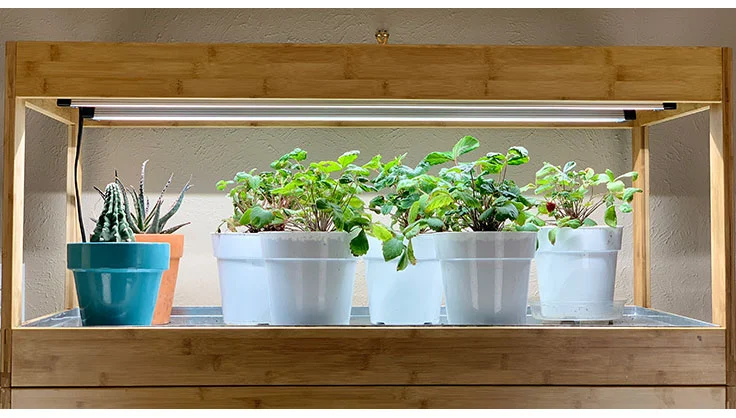
Growing vegetables indoors is a practical way to enjoy fresh food at home without a backyard. Many vegetables grow well in containers and can thrive indoors with proper light, soil, and care. Indoor vegetable gardening is especially popular in apartments and urban homes.
Indoor gardening allows better control over temperature, water, and pests. It also provides access to fresh, pesticide-free vegetables throughout the year.
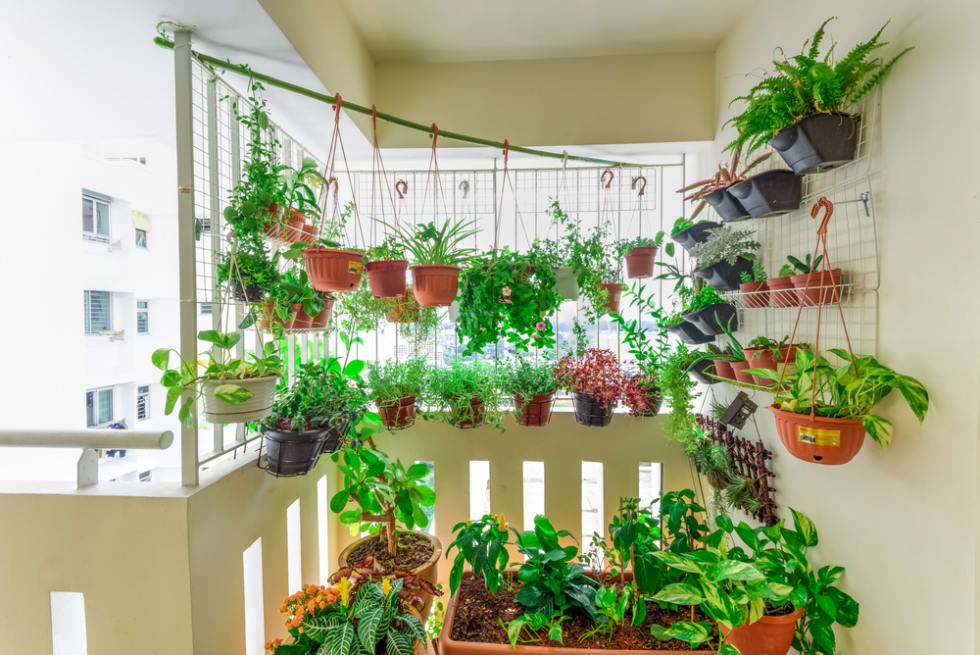
Benefits of Growing Vegetables Indoors
Indoor vegetable gardening offers several advantages. Fresh vegetables are always available for cooking. It reduces grocery expenses and ensures better food quality. Indoor plants also improve air quality and create a healthier living environment.
Best Vegetables for Indoor Growing
Some vegetables adapt well to indoor conditions and container planting.
Lettuce grows quickly and requires minimal space. Spinach thrives in moderate light and cool temperatures. Cherry tomatoes grow well with sufficient light and proper support. Green onions are easy to grow and regrow from kitchen scraps. Chili peppers perform well indoors with bright light.
What You Need to Start
To grow vegetables indoors, you will need containers with drainage holes, nutrient-rich potting soil, vegetable seeds or seedlings, and a reliable light source. Natural sunlight works well, but LED grow lights are recommended for consistent growth.
Lighting Requirements
Most indoor vegetables require at least six hours of light per day. Place plants near bright windows or use full-spectrum LED grow lights. Grow lights help plants grow faster and produce better yields, especially during winter months.
Watering and Care
Water vegetables when the top layer of soil feels dry. Avoid overwatering, as excess moisture can cause root problems. Ensure good airflow around plants to prevent disease and mold growth.

Soil and Fertilization
Use high-quality potting soil designed for vegetables. Indoor vegetables benefit from light feeding every three to four weeks. Organic liquid fertilizers work well for container gardening.
Common Problems and Solutions
Weak growth usually indicates insufficient light. Yellow leaves can be caused by overwatering or nutrient deficiency. Pests are rare indoors but can be controlled with mild soap sprays if needed.
Tips for Better Indoor Harvests
Rotate plants regularly to ensure even light exposure. Use small supports for climbing plants like tomatoes. Harvest vegetables frequently to encourage continuous growth.
Conclusion
Growing vegetables indoors is an effective way to practice planting at home. With the right setup and care, indoor vegetable gardens can produce fresh, healthy food all year round, even in small living spaces.